

In the world of janitorial services, employee safety is paramount. Cleaning professionals are often exposed to various hazards, such as chemical exposure, slips and falls, or even electrocution. Implementing a standardized set of industry practices not only ensures the safety of janitorial staff, but also for clients and the public. In this article, we will explore these essential practices that can enhance safety in janitorial operations.
Comprehensive Training Programs
One of the cornerstones of janitorial safety is a robust training program. New employees should undergo thorough training that covers:
- Chemical Safety: Understanding Material Safety Data Sheets (MSDS) and how to handle cleaning chemicals safely.
- Proper Equipment Use: Training on the correct use of cleaning equipment, including floor buffers, vacuums, and pressure washers.
- Safety Procedures: Instruction on how to manage spills, use personal protective equipment (PPE), and emergency protocols.
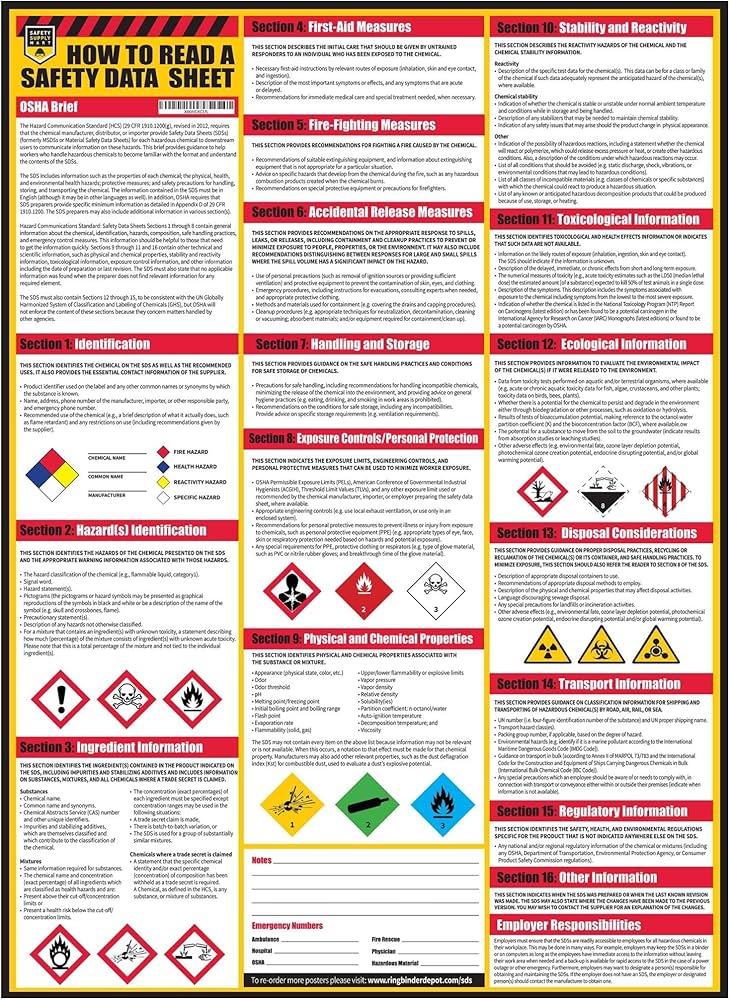
Regular refresher courses should also be conducted to keep all staff updated on the latest safety practices and regulations. Sometimes, clients you are working for might have special requests regarding the chemicals used or related to the list of duties. For example, one client may require that cleaners do not use a specific chemical (such as air fresheners) because it causes irritation to some of their employees. Cleaners should ask the client about any specific requests so they are a regular part of the cleaning schedule once the job gets started.
Clear communication about the services and equipment used is an essential for the cleaner to work safely, and this simultaneously improves the overall health of the workspace being cleaned.
Personal Protective Equipment (PPE)
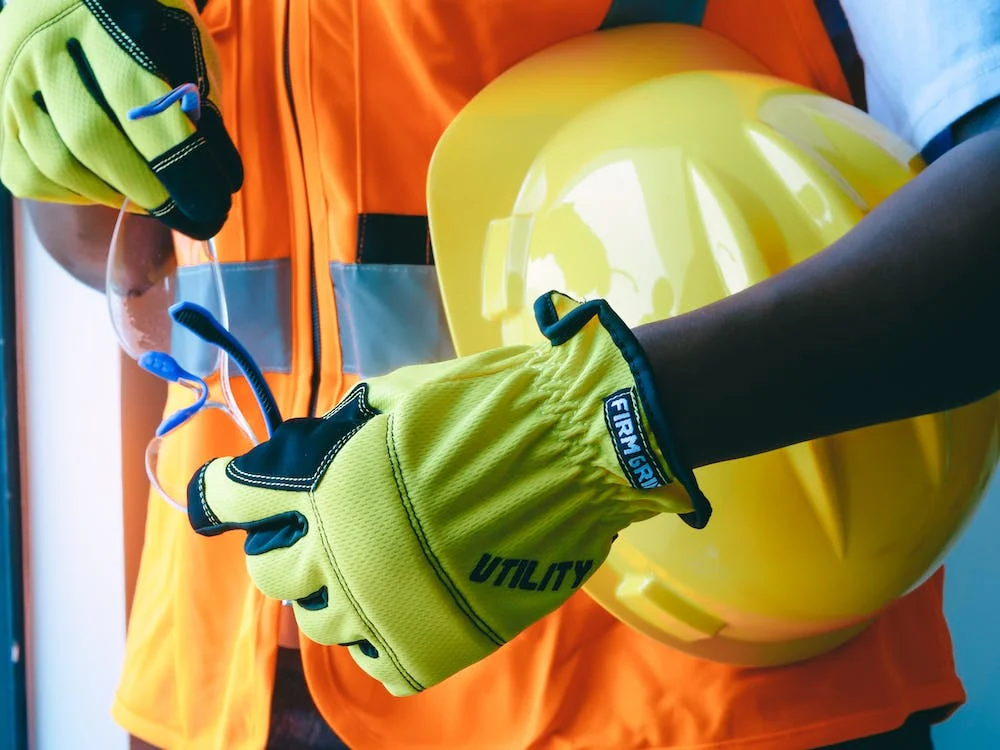
Providing adequate PPE is crucial in safeguarding your janitorial staff. Depending on the tasks at hand, essential PPE may include:
- Gloves: To protect hands from harsh chemicals and pathogens.
- Masks: To prevent inhalation of dust, fumes, or harmful substances.
- Goggles: To shield eyes from splashes and debris.
- Non-slip footwear: To reduce the risk of slips and falls in wet or hazardous areas.
Crew managers must ensure that all staff are trained on the importance of PPE, and how they should properly use and maintain their equipment. Proper use of PPE could be the difference between an uneventful shift of work and a medical emergency.
For extra security, you may wish to create a nightly checklist onsite for your cleaners to initial before the start of their run. The checklist could be put into place to ensure compliance with PPE use. Checklists are also commonly used for signing out keys or badges, or other “end-of-shift” tasks such as locking up, setting alarms, etc. Checklists are a great method of ensuring safety within your own company while improving the transparency between you and your client(s).
Effective Communication
Open lines of communication are vital in maintaining a safe working environment. Regular safety meetings can provide a platform for staff to discuss potential hazards, share experiences, and suggest improvements. Additionally, creating a reporting system for unsafe conditions or near-misses encourages employees to speak up without fear of retribution.
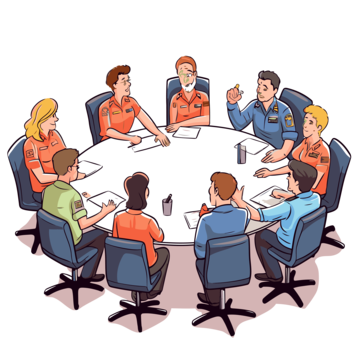
Crew managers should hold these meetings weekly, allowing their cleaners to freely report any incidents, or ask questions about their shift routines. This is also a good time to go over their previous week’s performance with the cleaning, and direct them towards fixing any issues.
Safe Lifting Techniques
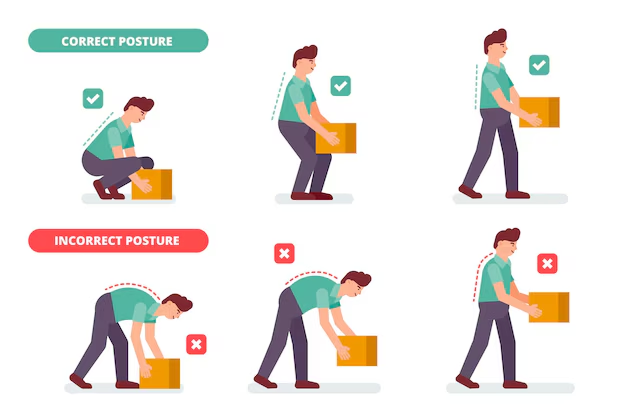
Janitorial work often involves repetitive tasks and heavy lifting, which can lead to musculoskeletal injuries. Implementing ergonomic practices can significantly reduce these risks. Training staff on safe lifting techniques, such as bending at the knees and keeping loads close to the body, can help prevent injuries. Additionally, using tools like carts and dollies can minimize the strain on employees.
Regular Maintenance of Equipment
Proper maintenance of cleaning equipment is essential for safety. Crew managers must regularly inspect and service machines to ensure they are in good working order. This includes checking for frayed cords on vacuums, ensuring that buffers are functioning correctly, and replacing worn-out parts promptly. A well-maintained tool not only performs better but also significantly reduces the risk of accidents.
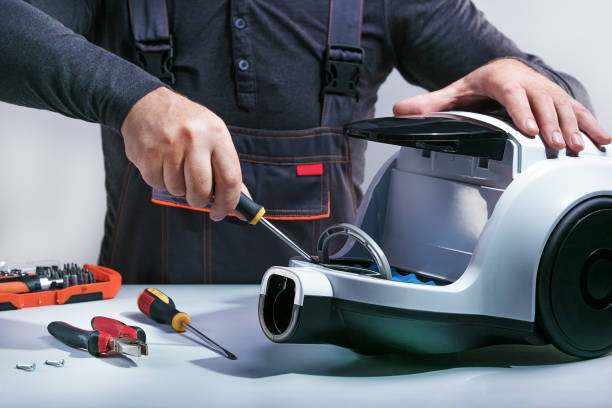
If your company uses a repairman, leave any damaged or malfunctioning equipment with them so they can fix it. Be sure to report the full extent of the problems so that they can diagnose the issue accurately.
Some problems such as clogs are easily self-fixable, but leave complex electrical problems to an expert. You may cause more damage trying to fix those issues by yourself.
Chemical Storage and Disposal
The safe storage and disposal of cleaning chemicals are critical components of an effective safety detail. Chemicals need to be stored in labeled containers, away from heat sources and out of reach of unauthorized personnel. Staff need be trained on the proper disposal methods for hazardous materials, following local regulations to minimize environmental impact.
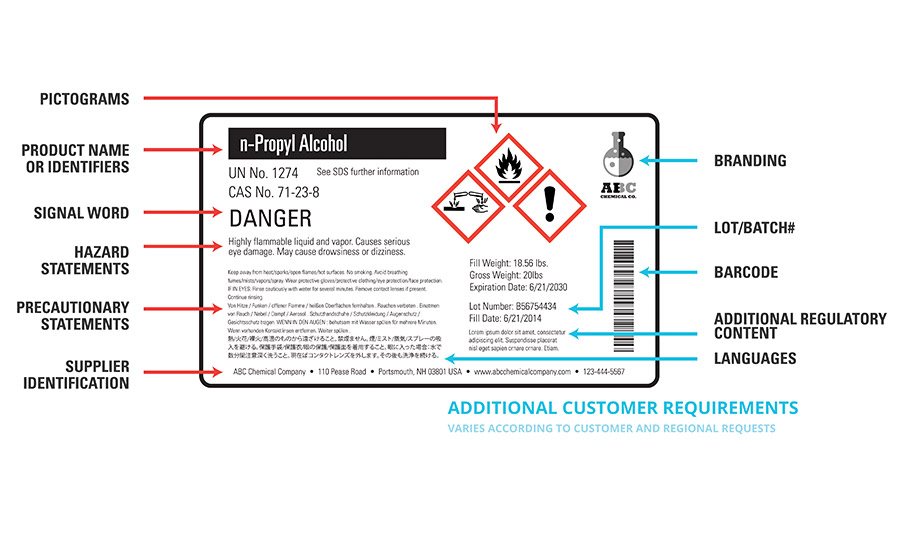
Your company will provide you with a set of chemicals, and it’s crucial that all staff members are well-versed with how they are used. If possible, seek additional training on how to read the labels on these bottles. Mixing chemicals can be extremely dangerous, so do not do this at any time (unless diluting chemicals with water when necessary).
Implementing a Safety Culture
Creating a culture of safety within the organization is perhaps the most effective practice. This involves encouraging all employees to take responsibility for their safety and the safety of their colleagues. Recognition programs for safe practices can motivate staff to prioritize safety in their daily tasks.
Emergency Preparedness
Janitorial staff should be trained in emergency preparedness, including how to respond to spills, accidents, fires, and/or health emergencies. Having clear protocols in place, such as first aid procedures, wet floor signs, and evacuation routes, ensures that employees know how to act swiftly and effectively in crisis situations.
Implementing these best industry practices for janitorial safety is essential for protecting employees and clients alike. By prioritizing comprehensive training, providing necessary PPE, maintaining open communication, and fostering a culture of safety, you will improve the quality of the product your cleaning team delivers.
Your clients will take notice of the responsible nature of your company, and this is extremely important in maintaining a good reputation in the industry.