
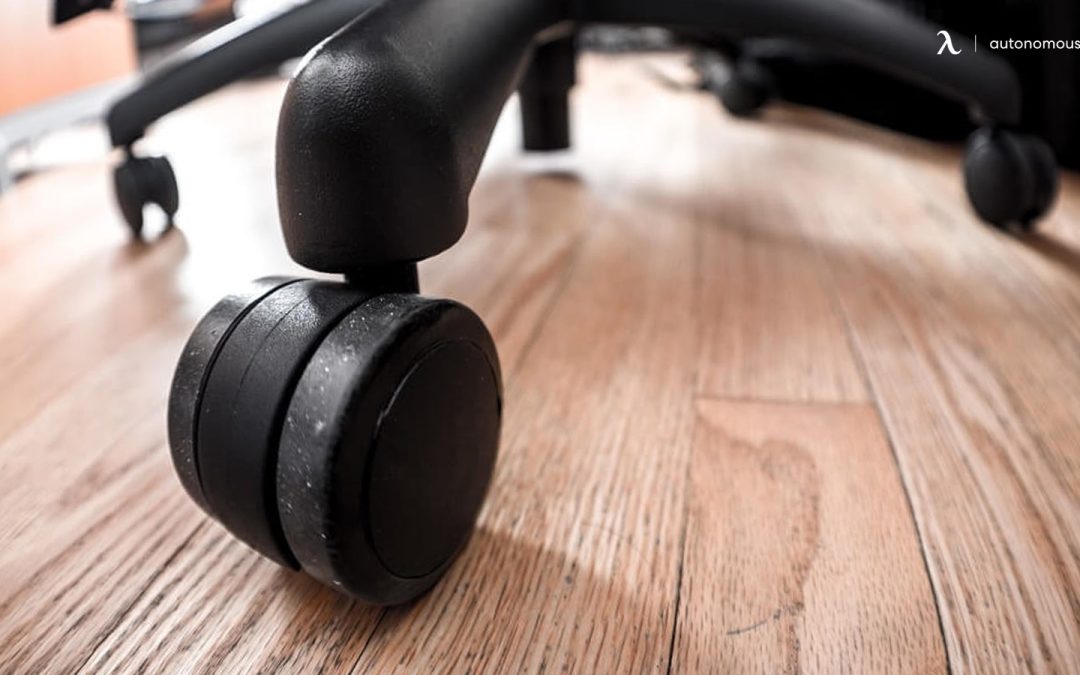
Maintaining a clean and hygienic office environment is crucial for the health and productivity of employees. While regular cleaning routines often focus on common areas and surfaces, such as floors and desks, furniture cleaning is equally important. Furniture in office spaces, such as chairs, sofas, and tables, can harbor dirt, dust, allergens, and even bacteria if not properly maintained. Implementing effective cleaning practices for office furniture is essential for creating a healthier and more comfortable workspace. In this article, we will examine some of the best industry practices for cleaning office furniture.
Gathering Supplies
- PPE: Gloves, eye protection, N95 mask
- Microfiber dust rags or extendable duster
- Furniture polish
- All-purpose cleaner
- Upholstery cleaner
- Disinfectant cleaner
- Vacuum cleaner
Procedure
Regular Dusting
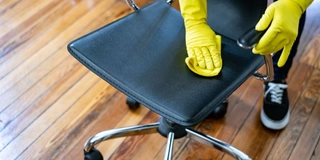
Dust will accumulate quickly onto furniture, especially in areas with high foot traffic. Not only will this dust settle on the top of the horizontal surfaces in the office, it will also settle onto the vertical surfaces and work its way into any cushion crevices as well. At least once per week, use a microfiber dust rag or extendable duster to wipe down all surfaces of the chair, couch, etc. This will prevent dust and allergens from seeping deeper into the fabric or upholstery. The most-often overlooked parts of the furniture are the crevices, seams, and armrests, so be sure to pay close attention to these areas.
Vacuuming
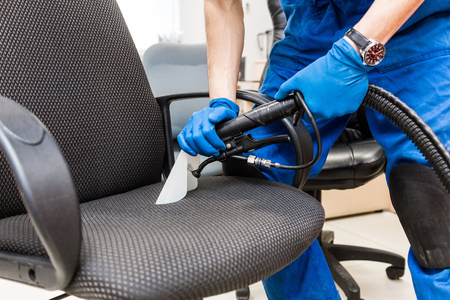
Upholstered furniture, such as chairs and sofas, requires thorough vacuuming to remove dirt, crumbs, and other debris that gets trapped in the fabric fibers. Use a vacuum cleaner with a hose and brush attachment to gently vacuum the entire surface of the furniture, including the crevices and cushions. This will not only clean the furniture, but will help to maintain its appearance and prolong its lifespan. Remember to check behind the furniture, particularly the walls and floor edges/corners, as these areas tend to accumulate cobwebs and dust clumps.
Spot Cleaning
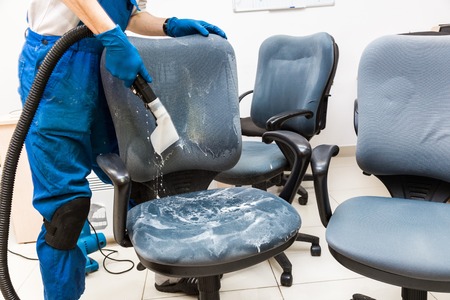
Accidental spills and stains are common occurrences in the workplace. In the event of a spill, promptly address the issue by blotting the affected area with a clean cloth or paper towel to absorb as much liquid as possible. You should avoid rubbing the stain, as this may only cause it to spread or sink deeper into the fabric. Use an upholstery cleaner or mild detergent to spot clean and blot the area, following the manufacturer’s instructions.
Disinfecting
In addition to removing visible dirt and stains, it’s essential to disinfect office furniture surfaces regularly, especially in shared spaces. Over time, bacteria and other harmful particles can build up on the surface and become a health hazard to the occupants. Use disinfectant wipes or a solution of water and a mild detergent to wipe down hard surfaces such as chair legs and arms. For upholstered furniture, you should consider using a fabric-safe disinfectant spray or mist to sanitize the surface without damaging the fabrics.
Professional Cleaning
While regular maintenance is important in keeping office furniture clean, professional cleaning services may be necessary for a deeper clean. Professional upholstery cleaning can effectively remove embedded dirt, stains, and odors from furniture, restoring its appearance and freshness. Schedule professional sessions at least twice a year to improve the overall maintenance and extend the furniture’s lifespan.
Air Circulation and Ventilation
Proper maintenance of the air vents also essential, not only for the vents themselves, but for all aspects of office cleaning. If a vent is dirty or dusty, the space it occupies will accumulate a lot of dust more quickly. Ensure that the furniture is arranged to allow for adequate airflow throughout the workspace. Occasionally, you should open windows to let fresh air in and reduce indoor pollutants. Keeping the air fresh and the dust to a minimum will contribute to a cleaner and more comfortable environment.
By implementing these best practices for cleaning office furniture, employers can create a healthier and more inviting workspace for employees. Regular maintenance, prompt attention to spills and stains, disinfection, and occasional professional cleaning are essential steps in preserving the cleanliness, hygiene, and longevity of office furniture. Ultimately, proficient maintenance is key in contributing to a more productive and enjoyable work environment.