

When you enter your workplace each day, you probably are not thinking about how much dust surrounds you. From the second you step out of your car to the moment you sit at your desk, you have unknowingly transported hundreds and thousands of dust particles with you. These microscopic particles are mostly made up of soil, sand, pollen, soot, hair, dead skin, and other tiny pieces of matter. The dust is moved around by air and then settles on vertical and horizontal surfaces, building thick layers over time.
Dust removal is one of the most critical pieces of the puzzle when it comes to office cleaning. Without a proper dusting protocol in place, the remainder of the cleaning tasks can become much more complicated.
In this article, we will give you some more information about dust, as well as some of the best industry practices for removing and preventing dust in the workplace.
Why is dust removal crucial?
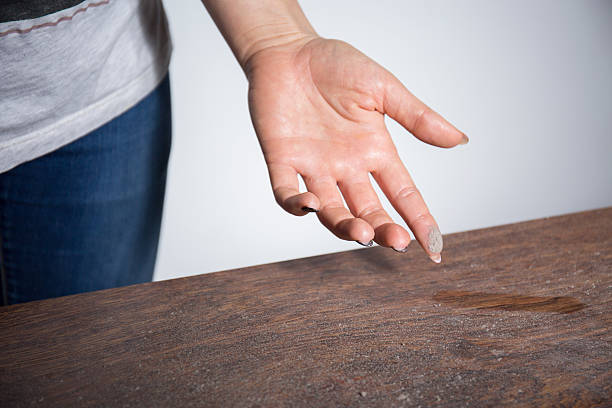
Not only is dust an unpleasant sight to see in a professional setting, it poses an environmental risk as well. Dust greatly impacts individuals who have respiratory problems.
According to the American College of Allergy Asthma and Immunology (www.acaai.org), roughly 7.7% of Americans have Asthma, and additionally, 10% of Americans are allergic to dust mites. They will have negative physical reactions such as coughing or sneezing frequently, irritation of the eyes, or in some cases dust can carry airborne pathogens which can make us ill. If frequent, these symptoms may lead to negative mental reactions as well. These might appear in the form of absenteeism, reduced work performance, and low morale.
It is the responsibility of the office manager(s) to have a plan in place to keep the workplace dust to a minimum, especially if they have staff members who are sensitive to dust in the air.
Dusting Procedure
You will need a few supplies to do proper dusting:
-Microfiber rags, static dusters, and/or extendable dusters
-Cotton cloths
-Window cleaner
-All-purpose cleaner
-Dust cloth treatment (Diversey Conq-r-dust)
-Vacuum
-PPE: gloves, eye protection, mask
Start at the Source
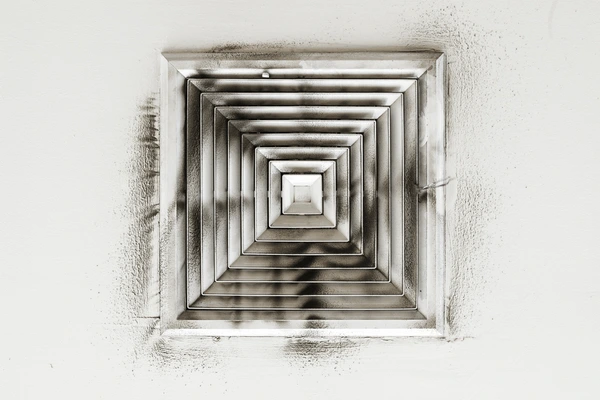
To clean up dust in the most efficient manner possible, it is important to remember to start with the highest surfaces, working towards the lowest surfaces. A good starting point of any office can be the air vents, which (indoors) can be considered the “source” of the dust. Old ventilation systems tend to build up layers of dust over time, spreading it through the air and landing on any surface it can latch onto. Use a microfiber rag (lightly sprayed with Diversey Conq-r-dust) to dust each slot, then use a damp rag to wipe down the slots. Damp-wiping after dry-dusting will help to prevent dust from re-accumulating as quickly as before.
Remember when you are dusting to not flippantly shake around your dust rag, as this will only spread dust around in all directions. Wipe the surface to collect the dust in your rag and dispose of your rag when it becomes soiled.
Getting into the Details
After cleaning the air vents, work along the ceiling, dusting each corner and checking for cobwebs. Cobwebs grab and hold dust in place, which looks extremely unsanitary. Continue to work along the high surfaces: tops of door frames, window frames, shelving, etc. Pay close attention to the window glass, as some of the high-level dust may have settled there. Use glass cleaner and a cotton cloth to clean and shine the windows. Continue working downward to the middle-level surfaces, such as desks or other surfaces from knee-height to eye-level.
Move objects on desks as needed, if given permission to do so. When it comes to computers or other electronics, discuss with your client/office manager what they’d like you to do. Some clients may want you to clean these items, while others may want you to leave all items on the desk alone. Be clear on your restrictions before cleaning and adjust your routine accordingly.
Working downward, do not forget to dust the bottom-level surfaces. These include chair legs, desk legs, baseboards, and any other surfaces below knee-level. Remember, any of the dust from the high or mid-levels that you have knocked down (without capturing in your rag) will settle on whatever low surfaces they can land on. Pay extra attention to the baseboards, as these are one of the most missed items in the dusting routine.
Finishing Touches
If your client has instructed you to do so, use a treatment such as Diversey Conq-r-dust to lightly spray your rag down. This will help to collect more of the dust and will leave behind a mild, yet pleasant smell. Conq-r-dust is a great cleaning agent to use on dust mops and dust rags. It helps to trap and hold dust and dirt, and does not leave behind an oily residue.
Lastly, when exiting a room you have just dusted, you will need to clean the floor. Much of the high-level dust you have knocked down lands on the floor, which can be particularly hard to see, especially on carpeted floors. Vacuum carpets as usual, and if your vacuum has a hose, be sure to hit the floor corners and edges thoroughly. On hard-floor surfaces, use your dust mop to sweep the dust into a pile to be vacuumed.
Schedule
The best dusting procedures will not change, regardless of where you go. The frequency of the schedule can be adjusted as needed, but generally, the schedule for these dusting tasks should be as follows:
-General dusting (all horizontal surfaces, knee to eye-level) – WEEKLY
-Detail dusting (all surfaces: vertical and horizontal, below knee-level, above eye-level) – BIWEEKLY
-Air vents – MONTHLY
Following the steps above, you will create a cleaner, healthier, and more pleasant atmosphere overall for your clients and/or employees. Even if it seems like a small and insignificant task, the differences in air quality and improvement of the overall condition of the workspace will be noticed immediately.
An efficient dusting program does more for your office than simply improving the appearance. Cleaning the air vents monthly will help to cut the total dust down significantly, allowing for easier cleaning of the other surfaces. It is very important to keep up with the dust on a consistent basis, as it only gets more difficult to clean the heavier the buildup gets. We can never completely get rid of dust from our air, but with proper procedures and a routine schedule, we can certainly keep it to a minimum.